


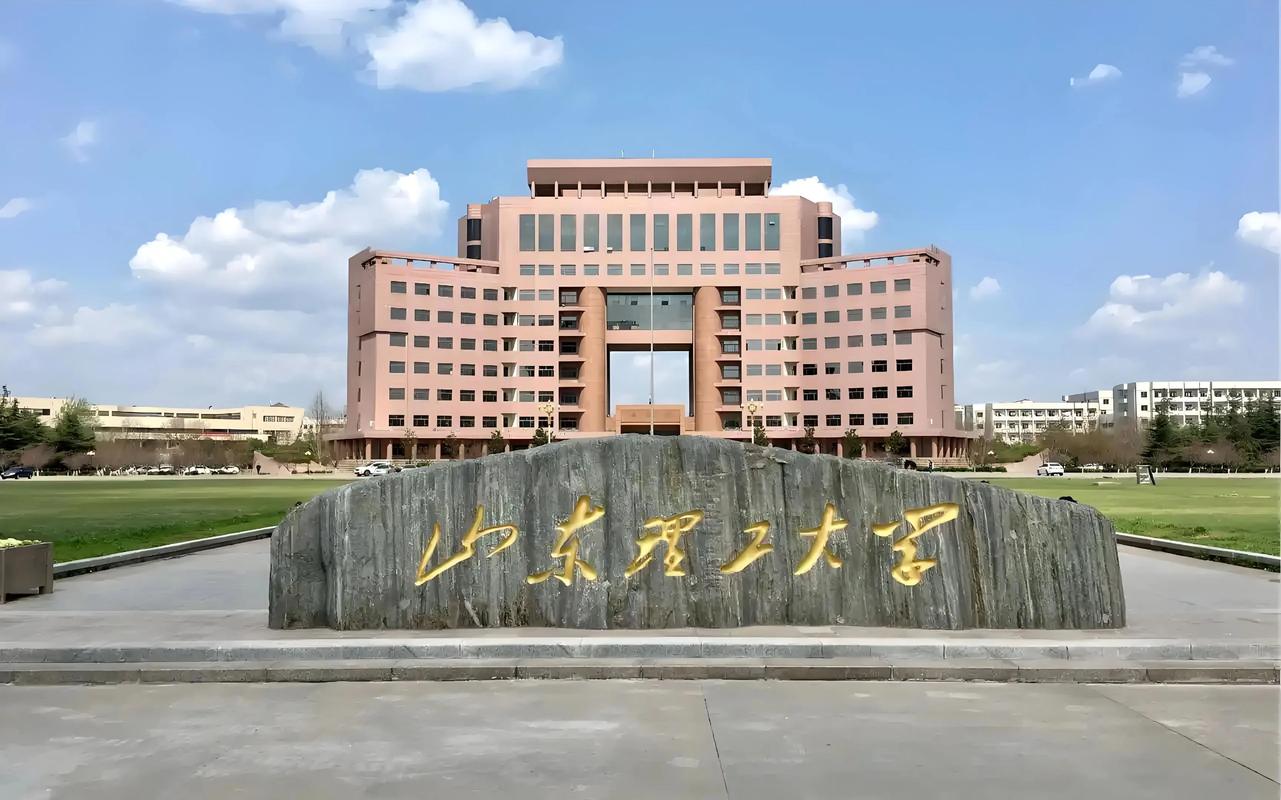
Following
the highly productive initial visit, the China Office of the Malaysian
Association for Education and Cultural Promotion and Dongyi Cultural
Industry Group recently formed another delegation to return to Shandong
University of Technology. The two parties held a second round of working
meetings to advance the multiple cooperation consensus previously
reached, aiming to transform strategic intentions into concrete and
actionable "blueprints.".
This follow-up visit marks a substantive
new phase in the cooperation between both parties, entering the stage of
project implementation and execution planning.
01 Origin of Follow-up: From Cooperation Intent to Execution Plan
On
the previous day, the Malaysian Education and Cultural Promotion
Association and its China Office, Dongyi Cultural Industry Group, in
collaboration with the National University of Malaysia, signed a
strategic cooperation agreement during their visit to Shandong
University of Technology. The two parties expressed strong willingness
to cooperate on key projects such as the joint establishment of an
international research platform and the development of an international
language and cultural center.
 The
preliminary talks painted a promising blueprint for cooperation between
the two parties, with the consensus centered on establishing a
long-term and stable mechanism to support in-depth academic
collaboration and faculty-student exchanges. The recent visit by the
China Office of the Malaysian Education and Cultural Promotion
Association and the Dongyi Cultural Industry Group aimed precisely to
transform this blueprint into a clear roadmap, a defined timeline, and
executable task assignments.
The
preliminary talks painted a promising blueprint for cooperation between
the two parties, with the consensus centered on establishing a
long-term and stable mechanism to support in-depth academic
collaboration and faculty-student exchanges. The recent visit by the
China Office of the Malaysian Education and Cultural Promotion
Association and the Dongyi Cultural Industry Group aimed precisely to
transform this blueprint into a clear roadmap, a defined timeline, and
executable task assignments.
02 Seminar Core: Focusing on the Implementation Pathways of Two Major Pillar Projects
The
working meeting was practical and concrete, with a focus on the
implementation planning of two key pillar cooperation projects.
Regarding
the international joint research platform, the working teams from both
sides conducted in-depth discussions on the platform's
organizational structure, initial priority cooperation areas, the
initiation and management mechanisms for joint research projects, as
well as detailed safeguard measures including data sharing, intellectual
property rights, and funding arrangements.
 Regarding
the establishment of the International Language and Culture Center, the
meeting conducted in-depth discussions on the center's
physical/virtual operational model, curriculum system design, faculty
allocation plan, and cultural experience activities for faculty and
students from both universities. The center aims to transcend
traditional language teaching and serve as a core hub for promoting
academic exchanges and cross-cultural understanding between China and
Malaysia.
Regarding
the establishment of the International Language and Culture Center, the
meeting conducted in-depth discussions on the center's
physical/virtual operational model, curriculum system design, faculty
allocation plan, and cultural experience activities for faculty and
students from both universities. The center aims to transcend
traditional language teaching and serve as a core hub for promoting
academic exchanges and cross-cultural understanding between China and
Malaysia.
03 Achievements: Establishing the Implementation Framework and Promotion Mechanism
After in-depth discussions, both parties achieved a series of key progress at this meeting.
A joint implementation mechanism has been established, led by designated representatives from both parties and involving the formation of specialized working groups to ensure smooth communication and accountability. Preliminary roadmaps and near-term action plans have been drafted for the two flagship projects, including the launch of pilot research initiatives and the development of the first-phase course modules for the center.

Both parties agreed to establish a phased progress review and annual high-level meeting mechanism to dynamically assess cooperation outcomes and promptly optimize directions. These achievements mark the transition of collaboration from macro-level conceptualization to micro-level operational execution.
 From
the blueprint of the initial handshake to the planning of the secondary
handshake, the collaboration chapter between Shandong University of
Technology and the Malaysian Education and Cultural Promotion
Association is now turning a practical new page. The pilot project is
expected to commence within the year, adding a new international bond to
the academic life of Chinese and Malaysian faculty and students.
From
the blueprint of the initial handshake to the planning of the secondary
handshake, the collaboration chapter between Shandong University of
Technology and the Malaysian Education and Cultural Promotion
Association is now turning a practical new page. The pilot project is
expected to commence within the year, adding a new international bond to
the academic life of Chinese and Malaysian faculty and students.

